






Acton Town station bulky rubbish collection advice
Posted on 02/09/2026
If you are dealing with a sofa that will not fit through the hallway, a broken wardrobe, or a pile of old household items that has quietly grown in the corner, you are in the right place. Acton Town station bulky rubbish collection advice is really about making that awkward job simpler, safer, and less stressful. Around a busy station area, timing matters, access matters, and so does choosing the right disposal route.
In practice, bulky waste can mean anything too large for a normal bin collection: furniture, mattresses, white goods, office furniture, garden leftovers, renovation offcuts, and mixed household clutter. The trick is not just getting rid of it. The trick is doing it without creating extra hassle for yourself, neighbours, or the street outside. This guide walks you through the sensible options, the mistakes people make, and the easiest way to handle bulky rubbish near Acton Town station without turning it into a weekend drama.
For readers who want a broader view of local services, our services overview is a useful starting point, and it sits neatly alongside our recycling and sustainability approach. That matters here, because bulky waste is often the stuff that people are most tempted to dump quickly. Better to slow down a bit. Saves trouble later.
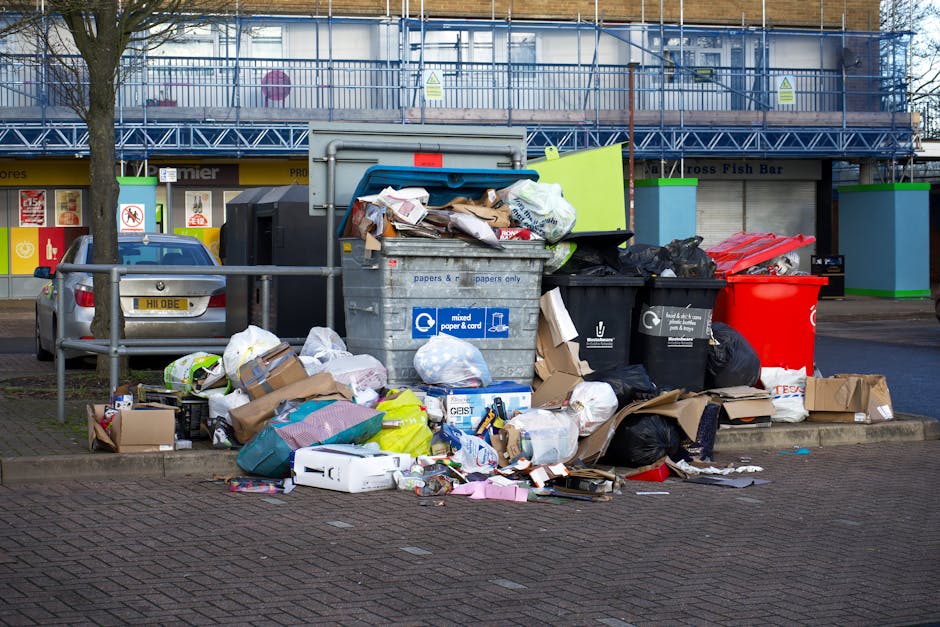
Why Acton Town station bulky rubbish collection advice Matters
Bulky rubbish is different from ordinary household waste. It is awkward to move, often heavy, and usually impossible to leave out casually without making a mess. Around a station location like Acton Town, there is another layer to think about: foot traffic, narrow collection windows, parking pressure, and the simple fact that streets can feel busy all day. That means a "quick" disposal job can go sideways fast if it is not planned properly.
This advice matters for three reasons. First, bulky items are often the most visible waste in a property. A mattress leaning by the front door or a dismantled desk in the hallway changes the feel of a place immediately. Second, poor handling can create a safety issue. Sharp edges, broken glass, blocked entrances, and awkward lifting are all real concerns. Third, the wrong disposal choice can lead to avoidable costs or repeat effort. Nobody wants to move a filing cabinet twice. Trust me, once is plenty.
There is also the local context. If you live near the station, in flats, converted houses, or a small office space, you probably do not have the luxury of a large driveway or easy loading access. In those situations, a bit of planning turns a frustrating task into a manageable one. That is the whole point here: reduce friction, keep it tidy, and choose the right method for the job.
Practical takeaway: bulky rubbish collection is less about brute force and more about sequencing. Identify what needs removing, how it will leave the property, and where it should go next before anyone starts lifting.
How Acton Town station bulky rubbish collection advice Works
The process is simpler when you break it into stages. Most bulky rubbish jobs near Acton Town station follow a pattern: identify the items, separate what can be reused or recycled, decide whether you need help, and arrange the collection or removal method that suits your timeline.
For a one-off item, the solution may be straightforward. For example, if you have a single sofa, a bed frame, or a broken washing machine, you can plan around one loading route and one time slot. But if you are clearing several rooms after a move, sale, refurbishment, or tenancy change, you need a wider view. Mixed loads often contain recyclable materials, reusable pieces, and waste that needs careful sorting. That is where a proper clearance service makes life easier.
In a local context, bulky rubbish collection also needs a bit of common sense around access. Is the item coming from a top-floor flat? Is there lift access? Can a van stop near the entrance? Are there stairs, tight corners, or a busy walkway outside the building? These details sound minor, but they are what decide whether a collection feels smooth or awkward.
If you are comparing what type of help you need, it can be useful to look at wider services too. For example, some jobs sit comfortably within general waste clearance, while others are more suitable for a focused rubbish removal visit. If the items are tied to moving home or a full property reset, house clearance support may be the better fit. That judgement call makes a real difference.
Key Benefits and Practical Advantages
Good bulky rubbish collection advice is not just about getting rid of clutter. It gives you a cleaner process from start to finish. And honestly, that is often the bit people value most.
- Less stress: once the plan is clear, you are not stuck wondering whether a sofa will fit through the door or whether the item needs to be dismantled first.
- Better safety: heavy lifting, loose screws, glass panels, and old springs are all easier to manage when someone has thought about them in advance.
- Cleaner property presentation: this matters if you are selling, renting, or preparing a space for viewings. A neat, empty room feels very different from a half-cleared one.
- Faster turnaround: the right collection method can save you multiple trips, especially if you do not own a van or cannot spare the time.
- More responsible disposal: items can often be separated for recycling or reuse instead of being treated as one big mixed pile.
There is also a mental benefit, which people sometimes underestimate. Once the old chest of drawers or stack of unwanted office desks is out, the room feels usable again. That is not dramatic, just true. Space changes how a property feels. Light comes back in. You notice the floor again. The room breathes a bit.
If you are also thinking about how bulky rubbish fits into the bigger picture of keeping a property in shape, you may find our article on Acton High Street rubbish removal for residents helpful for a more local, street-level perspective.
Who This Is For and When It Makes Sense
This advice is useful for a fairly wide range of people. You might be a homeowner clearing out after years of accumulated furniture. You might be a tenant trying to leave a flat tidy. You might be a landlord preparing for new occupants. Or you could be running a small office near the station and suddenly realise that two filing cabinets and an old copier are taking over the room.
It also makes sense in less obvious situations. A family member may have moved into supported accommodation and left behind large items that need careful handling. A garden may be full of broken planters, timber offcuts, and outdoor furniture after a renovation. Or a property sale may be moving at that slightly frantic pace where every day counts. You know the feeling: one minute you are "just sorting a few bits", next minute there is a stack of old stuff by the front door and a deadline breathing down your neck.
Near Acton Town station, bulky waste collection is especially relevant when access is tight, parking is limited, or the items need to be removed quietly and efficiently. If your situation involves a full flat or an entire office floor, you should also think about whether the job is really a clearance rather than a simple collection. That distinction saves confusion later.
For those weighing property needs or moving plans in the area, the broader local context can be useful too. Our posts on whether Acton is worth living in and houses for sale in Acton give a sense of why properties here often need practical, flexible clearance planning.
Step-by-Step Guidance
Here is the simplest way to handle bulky rubbish collection near Acton Town station without making it harder than necessary.
- List every item. Walk through the property and note each bulky piece. Separate furniture, white goods, bagged waste, and anything potentially hazardous.
- Check what can be reused or recycled. A table with one damaged leg may be repairable. A metal bed frame may be recyclable. Do not bundle everything together too early.
- Measure access. Note stair width, lift size, doorway clearances, and any tight turns. If a fridge or wardrobe needs dismantling, say so at the start.
- Choose the right collection method. Single-item removal, full clearance, or mixed waste collection all suit different situations.
- Prepare the space. Move smaller items out of the way, clear a safe route, and keep pets and children away from the lifting area.
- Set the timing. Pick a slot that avoids peak pedestrian flow where possible. Early, calm, and tidy is usually better than rushed and crowded.
- Confirm special items. Mattresses, fridges, freezers, and broken furniture can need different handling. Mention them clearly.
- Inspect after removal. Check corners, cupboards, and behind doors. People miss things. It happens all the time.
A helpful rule of thumb: if you cannot comfortably move the item yourself for more than a few seconds, it probably deserves a proper plan. No bravado needed. Bulky rubbish is not a test of personal toughness.
Expert Tips for Better Results
After dealing with enough clearance jobs, a few patterns become obvious. The jobs that go best are usually the ones where someone spent ten minutes thinking before touching anything.
1. Dismantle before collection where sensible
Removing table legs, bed frames, and door panels can reduce the risk of scratches and make the job faster. Do not dismantle everything blindly, though. Some items are safer intact until the removal team arrives.
2. Keep like with like
Grouping wood, metal, cardboard, and general waste helps speed up sorting. It can also improve recycling outcomes. Mixed piles are manageable, but tidy piles are just easier on everyone.
3. Photograph awkward items
If something is oversized, damaged, or unusually heavy, a quick photo helps avoid surprises. A picture of the item in the hallway or by the lift tells a much clearer story than "it is quite big, but not massive."
4. Protect the route
Old blankets, cardboard, or floor protection can save a lot of grief if you are moving items through narrow halls. A chipped wall corner is a tiny thing until it is yours. Then it feels very large indeed.
5. Think about the end use of the room
If the room is being re-let, renovated, or sold, the clearance approach may differ. For example, a flat being prepared for new tenants might need a fast and complete pass, while a long-term home may only need selective item removal.
For waste-heavy jobs that are more than a few household pieces, our builders waste disposal and office clearance pages are relevant examples of how different job types require different handling. Not every bulky collection is the same, and that matters more than people think.

Common Mistakes to Avoid
The biggest mistake is rushing. People see a large item and immediately want it gone. Understandable, but not always wise. A few common slip-ups show up again and again.
- Leaving everything until the last minute. This creates pressure and often means access is not checked properly.
- Underestimating weight. A wardrobe can look manageable until it needs lifting around a tight corner. Then it becomes a two-person problem very quickly.
- Mixing waste types without thinking. Putting electrical items, recyclable materials, and general rubbish into one heap can make sorting harder than it needs to be.
- Ignoring access issues. A collection plan that works in theory may fall apart at the front door.
- Forgetting hidden items. People often miss drawers, shelves, or small loose parts that still need removal.
- Assuming one solution fits every job. A few chairs are not the same as a full garage clear-out.
There is also the slightly more awkward mistake of treating bulky rubbish like ordinary household waste. It is not. It is heavy, bulky, and often more visible to neighbours and passers-by. That means the "I'll just leave it there for now" approach can become a nuisance surprisingly fast. A bit of discipline helps a lot.
Tools, Resources and Recommendations
You do not need a warehouse full of equipment to manage bulky rubbish properly, but a few practical tools make a difference.
- Gloves: useful for sharp edges, splinters, and dusty surfaces.
- Measuring tape: essential for doors, stairwells, lifts, and large furniture.
- Screwdriver or basic tool kit: handy for dismantling simple items.
- Marker pen and tape: useful for labelling parts if furniture needs to come apart.
- Dust sheets or cardboard: a simple way to protect floors and corners.
- Strong bags or boxes: for loose fittings, screws, and smaller components.
It also helps to know what type of help you need before you book anything. If your job is mainly household clutter, a general clearance route may be ideal. If you are dealing with renovation debris, builder-style waste may be more suitable. If the job is larger and more sensitive, for instance an inherited property, house clearance support tends to be the more practical option.
For people who want to understand the company side of things before booking, these pages can be useful for reassurance: about us, insurance and safety, and payment and security. They are not flashy pages, sure, but they help build trust. And trust is a big part of any bulky collection job.
Law, Compliance, Standards, or Best Practice
Bulky rubbish collection is one of those everyday jobs that still needs proper handling. In the UK, waste should be managed responsibly, and it is wise to use a service that can show it works in line with accepted waste-handling practice. You do not need to become a waste law expert, but you should understand the basics.
Best practice usually means the following: items should be sorted sensibly, loads should be handled safely, and waste should be passed on through appropriate routes rather than being fly-tipped or dumped unofficially. If a provider is handling your items, you want confidence that the process is tidy and legitimate. That is especially important for electricals, sharp materials, and anything that could create a safety issue if abandoned.
For residents and landlords near Acton Town station, compliance also has a practical side. Block entrances, damaged communal areas, or rubbish left in shared spaces can create disputes. In flats and converted buildings especially, being considerate is more than a nice idea. It helps keep neighbours on side, which can be worth its weight in gold on a busy weekday morning.
Our terms and conditions and privacy policy pages set out the formal side of using the service, while the sustainability page explains our general approach to keeping disposal responsible. Good compliance should feel calm, not complicated.
Options, Methods, or Comparison Table
Different bulky rubbish situations call for different approaches. The best option depends on volume, access, urgency, and whether the items are mixed with other waste.
| Method | Best for | Strengths | Limitations |
|---|---|---|---|
| Single-item collection | One sofa, mattress, appliance, or desk | Simple, fast, and focused | Less efficient for larger jobs |
| General bulky waste removal | Several large items or mixed household pieces | Flexible and practical | May require clearer sorting |
| House clearance | Rooms, flats, or whole properties | Best for wider decluttering | Needs more planning and access checks |
| Office clearance | Desks, chairs, cabinets, and equipment | Good for business or relocation jobs | Often time-sensitive and access dependent |
| Builders waste disposal | Renovation offcuts and project debris | Suitable for heavier mixed material | Not ideal for ordinary household items |
In short: if it is one item, keep it simple. If it is half a room, think bigger. That sounds obvious, but people still get caught out. The most efficient route is usually the one matched to the scale of the problem, not the one that sounds easiest in the moment.
Case Study or Real-World Example
Imagine a top-floor flat a short walk from Acton Town station. The resident is moving out at the end of the month, and the flat contains a mattress, a wardrobe, an old TV unit, and a few bags of mixed clutter. On paper, it looks manageable. In real life, there is a narrow staircase, a shared entrance, and only a tight window before work starts downstairs.
The smoothest approach would be to sort items first, identify anything recyclable or reusable, and measure the route from the bedroom to the street. The wardrobe might be dismantled. The mattress would be wrapped or handled carefully. The TV unit would be checked for loose glass or fittings. Smaller items would be bagged so they do not become a scatter problem halfway down the stairs.
What makes this example worth paying attention to is not the size of the load. It is the planning around it. A job like this can feel overwhelming if you picture it as one giant task. But split it into a few careful steps and it becomes quite manageable. A bit annoying, perhaps. But manageable.
That kind of practical thinking is especially helpful in local housing stock where access can be tight and neighbours are close by. If the property is part of a block or a busy street, timing and tidiness matter just as much as removal itself. That is the real lesson here.
Practical Checklist
Use this checklist before booking or carrying out bulky rubbish collection near Acton Town station.
- Identify every bulky item that needs removing
- Separate items that can be reused, recycled, or dismantled
- Measure doors, stairs, lifts, and tight corners
- Check whether the job is a collection or a larger clearance
- Photograph awkward or oversized items
- Clear a safe path to the exit
- Protect floors and walls where needed
- Keep screws, fittings, and small parts together
- Confirm any heavy, fragile, or electrical items in advance
- Choose a time that suits access and reduces disruption
- Inspect the area after removal so nothing is left behind
If you can tick most of those off, you are already ahead of the game. And if you cannot, that is fine too. It just means the job needs a little more planning before it starts.
Get a free quote today and see how much you can save.
Conclusion
Bulky rubbish near Acton Town station does not have to be a messy or stressful job. With a clear plan, the right collection method, and a bit of care around access and sorting, you can deal with large unwanted items efficiently and responsibly. The best results usually come from simple habits: measure first, sort properly, and avoid rushing the lift-out.
Whether you are clearing a single sofa, emptying a flat, or handling mixed household waste, the goal is the same: make the space usable again without creating more work for yourself. That small difference between "sorted" and "sorted properly" matters more than people admit.
If you are ready to take the next step, choose the approach that fits the job rather than the one that feels quickest in the moment. That calm decision usually pays off. And once the bulky stuff is gone, the room feels lighter. It really does.



 Tipper Van - Property Waste Collection and Rubbish Removal Prices in Acton, W3
 Luton Van - Property Waste Collection and Rubbish Removal Prices in Acton, W3